
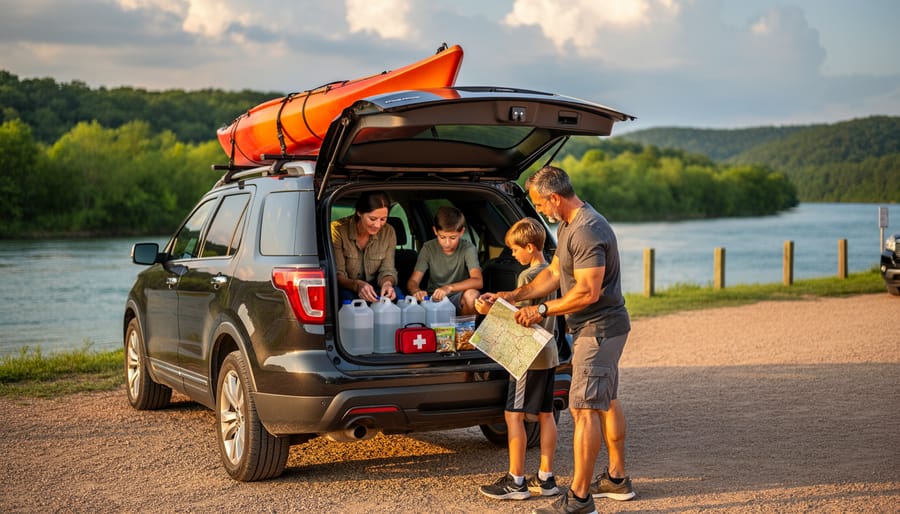
Download offline maps before you arrive—cell service gets spotty once you venture beyond downtown into the park areas and trails. Fort Smith isn’t like those big tourist destinations where every corner has a visitor center. Here, you’ll need to plan ahead for basics like grabbing supplies, understanding seasonal river conditions, and knowing which local outfitters can help with gear rentals.
Most visitors don’t realize that exploring Fort Smith means adapting to a more self-reliant travel style. The charming downtown shops and restaurants keep different hours than you might expect, especially on weekends. Gas stations thin out quickly as you head toward recreation areas, so fill up your tank in town. Pack extra water, snacks, and a first-aid kit—convenience stores aren’t waiting around every bend.
Timing matters more here than you’d think. Summer heat can make afternoon hikes miserable, while spring flooding might close river access points without much warning. Local parks staff and experienced outfitters become your best resources for real-time conditions, so check out their website and don’t hesitate to call ahead. These small prep steps transform potential frustrations into the kind of authentic outdoor adventure that makes Fort Smith special.
Seasonal Weather Swings Nobody Warns You About
Fort Smith sits right at the edge where the South meets the West, and that geographical sweet spot creates weather patterns that’ll catch you off guard if you’re expecting typical tourist-town predictability. Unlike coastal destinations where ocean breezes moderate the temps, Fort Smith experiences what locals affectionately call “weather with personality.”
Spring arrives beautifully in March and April, but pack layers because you might start your morning in a fleece jacket and strip down to shorts by lunchtime. Temperature swings of 30 degrees in a single day aren’t uncommon, and those famous Arkansas thunderstorms can roll in faster than you’d believe. Locals know to check radar throughout the day during spring months, especially if you’re planning outdoor activities. Tornado season peaks in April, so download a reliable weather app before arrival.
Summer hits hard here. We’re talking genuine heat and humidity that builds character. June through August regularly sees temperatures hovering in the mid-90s with humidity that makes it feel even hotter. Start your outdoor adventures early—serious hikers hit the trails by 7 a.m. and finish before noon. Afternoon thunderstorms provide temporary relief but also create sudden flash flooding in low-lying areas.
Fall offers the best weather window from late September through November, with comfortable 60s and 70s, though you’ll still want that layering strategy. October can surprise you with an 80-degree day followed by a 50-degree morning.
Winter remains mild compared to northern states, but we do get ice storms that shut everything down. A quarter-inch of ice transforms Fort Smith into a ghost town because we simply don’t have the infrastructure for it. If visiting December through February, monitor forecasts closely and build flexibility into your itinerary. Temperatures typically range from 30s to 50s, but that occasional ice event is the real wildcard locals respect.
Why Your GPS Will Send You the Wrong Way
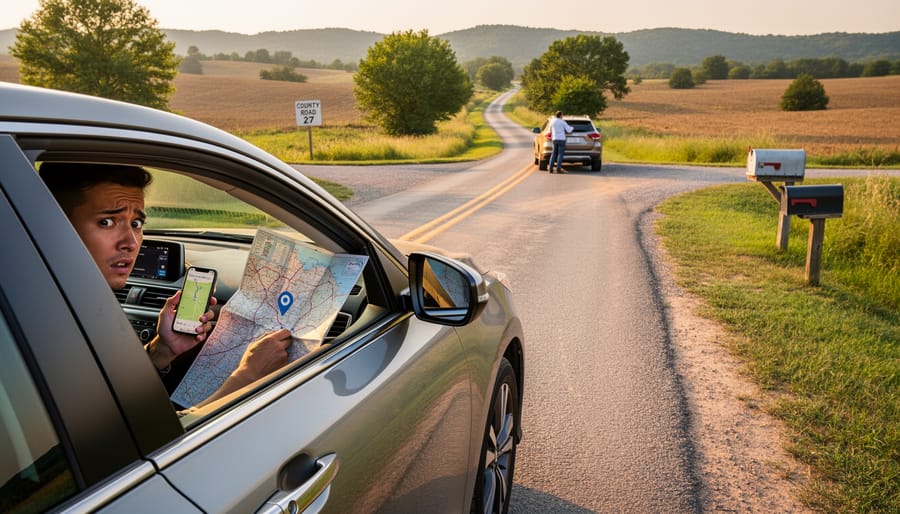
Here’s a travel tip that surprises most Fort Smith visitors: your trusty GPS might confidently send you down roads that no longer exist, or worse, drop you a mile away from where you actually need to be.
The challenge stems from rapid development around the Fort Smith area over the past five years. New park entrances have opened, old access roads have closed, and several trailhead locations have moved entirely. Unfortunately, major mapping services haven’t caught up. I’ve watched countless rental cars circle the Devil’s Den State Park entrance three times because their GPS insisted the old logging road was the main entrance.
Cell service adds another layer of complexity. Once you venture into the Ozark backcountry around places like Lake Fort Smith, expect your phone to become little more than a camera. The limestone bluffs that make the scenery so stunning also create dead zones that can last for miles.
Here’s what locals do instead: before leaving your hotel, screenshot or print directions from the official Arkansas State Parks website. These directions use landmarks that actually exist, like “turn left at the red barn past mile marker 15” rather than relying solely on street names that might have changed.
For Devil’s Den specifically, ignore your GPS after you reach Highway 170. Look for the brown state park signs and follow those exclusively. The actual entrance is two miles past where most GPS systems tell you to turn.
Similarly, when heading to the Fort Smith National Historic Site downtown, your GPS might route you through the old industrial district with confusing one-way streets. Instead, simply navigate to Garrison Avenue and follow the trolley tracks. They lead directly to the visitor center parking lot, and you’ll avoid the construction detours that rarely appear on digital maps.
The Camping Reservation Timeline That Actually Works
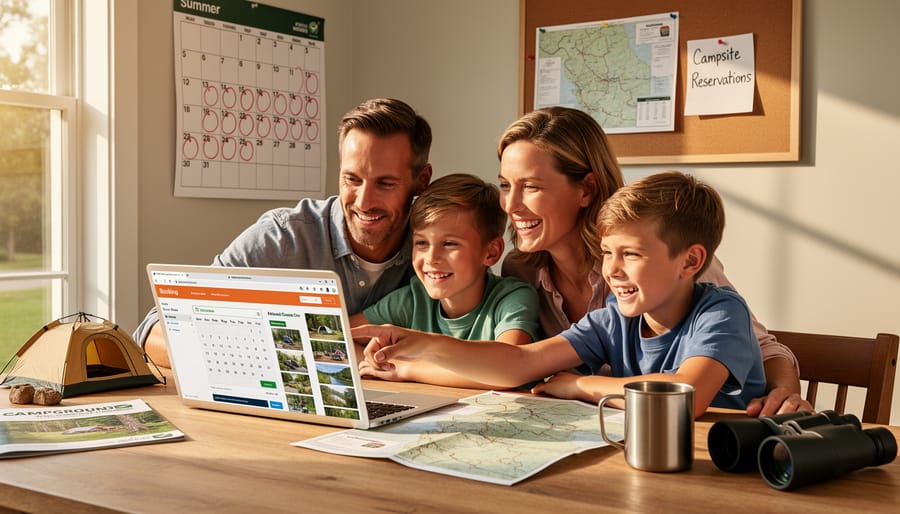
Here’s something most Fort Smith visitors get wrong: they assume booking camping here works like reserving a hotel in Yellowstone or the Smokies. It doesn’t, and that’s actually good news for your wallet and flexibility.
Unlike those mega-destinations where you’re setting alarms six months out to snag a spot, Fort Smith’s camping options operate on a refreshingly different timeline. Most local campgrounds accept reservations 30 to 90 days in advance, with many sites available for walk-ups even during busier periods. That said, don’t confuse “easier” with “guaranteed.”
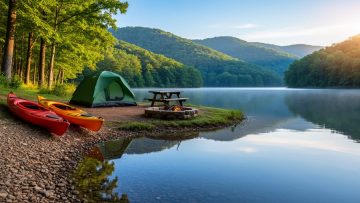
Peak season here runs April through October, with a noticeable spike around spring break and summer weekends. Lake Fort Smith camping fills quickest during these windows, especially lakefront spots that families return to year after year. One ranger told me they’ve seen the same families claim the same sites for three generations running.
Here’s the insider approach: if you’re planning a summer weekend trip, book two to three weeks ahead. You’ll have plenty of choices without the stress. Mid-week stays? You can often roll up with just a few days’ notice, sometimes even same-day. Fall weekends are the sweet spot when the weather’s perfect and the crowds thin out after school starts.
The last-minute availability myth goes both ways here. Yes, you can sometimes score a great site on short notice, but during the Arkansas River Valley Balloon Fest or Bass Pro Shop events, those “always available” campgrounds suddenly aren’t. Local events pack campgrounds faster than any national holiday.
Winter camping is practically guaranteed available, though facilities may be limited. If you’re the adventurous type who doesn’t mind cooler temps, you’ll practically have the place to yourself and pay reduced rates at most locations.
Grocery Runs and Meal Planning Realities
Here’s a reality check that catches many visitors off guard: Fort Smith isn’t your typical vacation spot where restaurants stay open late and grocery stores appear on every corner. The food situation here requires a bit more planning than you might expect.
The town has one main grocery store, the Northern Store, which serves as the primary supply hub for the entire community. If you’re picturing a massive supermarket with endless aisles, adjust those expectations. This is a smaller operation with prices that reflect the remote location and shipping costs. Items you’d grab without thinking twice down south might cost two or three times more here. That jar of peanut butter or box of cereal? Plan on paying premium prices.
Restaurant options are limited, and hours can be unpredictable. Don’t count on late-night pizza runs or grabbing breakfast at 6 AM before an early paddle. Many eateries close earlier than you’d expect, and some may have reduced hours depending on staffing or season. The local café might be your best bet for consistent meals, but it’s wise to have backup plans.
Smart visitors stock up before arriving. Bring non-perishables like granola bars, trail mix, pasta, and canned goods from home. Pack your favorite snacks, especially if you have picky eaters in the family. Coffee drinkers should bring their preferred brand—you’ll thank yourself on that first morning.
Fresh produce is available but more limited than what you’re used to. If you’re planning several days of elaborate meals, consider bringing specialty ingredients. The Northern Store covers basics well, but if your recipe calls for fresh herbs or exotic spices, pack them in your luggage.
One insider tip: place a grocery order ahead of time if you’re staying for an extended period, as stock can run low between shipments.
Park Operating Hours Aren’t What You Think
Unlike the theme parks you might be used to, Fort Smith parks don’t have turnstiles or official closing times—and that’s both a blessing and something to plan around.
Most city parks are technically open from dawn to dusk, but here’s the reality: gate closures rarely happen, and locals know you can access many parks well after posted hours. That said, certain amenities follow different schedules. Restrooms typically lock around 7 PM, even in summer, and splash pads shut down by early September regardless of the weather. I’ve seen plenty of families show up in mid-September expecting the water features to be running, only to find them winterized already.
Seasonal changes catch visitors off guard too. What’s open in June might look completely different in November. Some trails close temporarily after heavy rain, and certain picnic pavilions require reservations during peak weekends but sit empty midweek.
Here’s an insider tip: if you’re planning early morning photography or want to beat the heat, many parks have unofficial parking spots along side streets where you can start your hike before sunrise. The main lots might be gated, but trail access remains available.
The best timing? Weekday mornings from April through early June offer perfect weather and empty trails. Afternoons in July and August mean you’ll share space with summer camps and sweltering heat. Plan your Fort Smith park visits like you’re visiting a friend’s backyard rather than a commercial attraction, and you’ll avoid disappointment about locked facilities or unexpected closures.
The Gear Gap: What’s Actually Available to Rent or Buy
Here’s something most visitors don’t realize until they arrive: Fort Smith isn’t Gatlinburg or Moab. There’s no street lined with outfitters renting kayaks, camping gear, or mountain bikes by the hour. The outdoor recreation infrastructure here serves locals more than tourists, which means your packing strategy needs to be different.
If you’re planning water activities on the Arkansas River, you’ll want to bring your own gear or arrange rentals well in advance. A few local outfitters offer kayak and canoe rentals, but availability can be limited, especially during peak season weekends. Call ahead rather than counting on walk-up rentals. The same goes for bikes—while there are cycling shops in town, they primarily focus on sales and repairs rather than tourist rentals.
The good news? Fort Smith’s Walmart, Academy Sports, and other big-box retailers can be lifesavers for forgotten essentials or emergency replacements. Left your hiking boots at home? You’ll find decent options here, though selection won’t match what you’d see in outdoor specialty stores. Local sporting goods shops also stock fishing tackle, basic camping supplies, and seasonal gear.
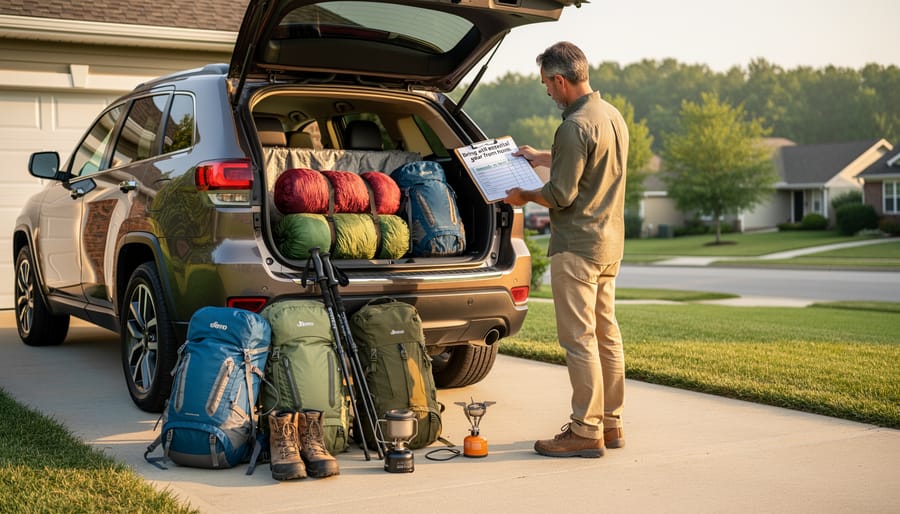
For serious outdoor enthusiasts planning extended backpacking trips or technical climbing around the region, pack everything from home. Fort Smith serves as your resupply point for food and basics, not specialized equipment.
One insider tip from longtime visitors: the local Facebook groups and outdoor clubs sometimes have members willing to loan or rent gear informally. It’s that small-town spirit working in your favor. Just don’t count on it as your primary plan. Think of Fort Smith as a place where self-sufficiency gets rewarded—come prepared, and you’ll have a smoother adventure.
Medical and Emergency Services You Need to Know About
Here’s something most Fort Smith visitors don’t think about until they need it: the nearest major hospital is actually in Hay River, about 45 minutes away. Fort Smith has a health centre that handles urgent care and minor emergencies, but understanding your medical options before heading out can save precious time.
The Fort Smith Health Centre on Breynat Street is your primary resource for non-emergency medical needs and urgent situations. They’re open weekdays during business hours, with on-call services available after hours. For serious emergencies, you’ll be medevacked to Yellowknife or Edmonton, which is why travel insurance isn’t optional up here—it’s essential. The nearest 24-hour pharmacy is also in Hay River, so stock up on prescription medications and any over-the-counter essentials before arriving.
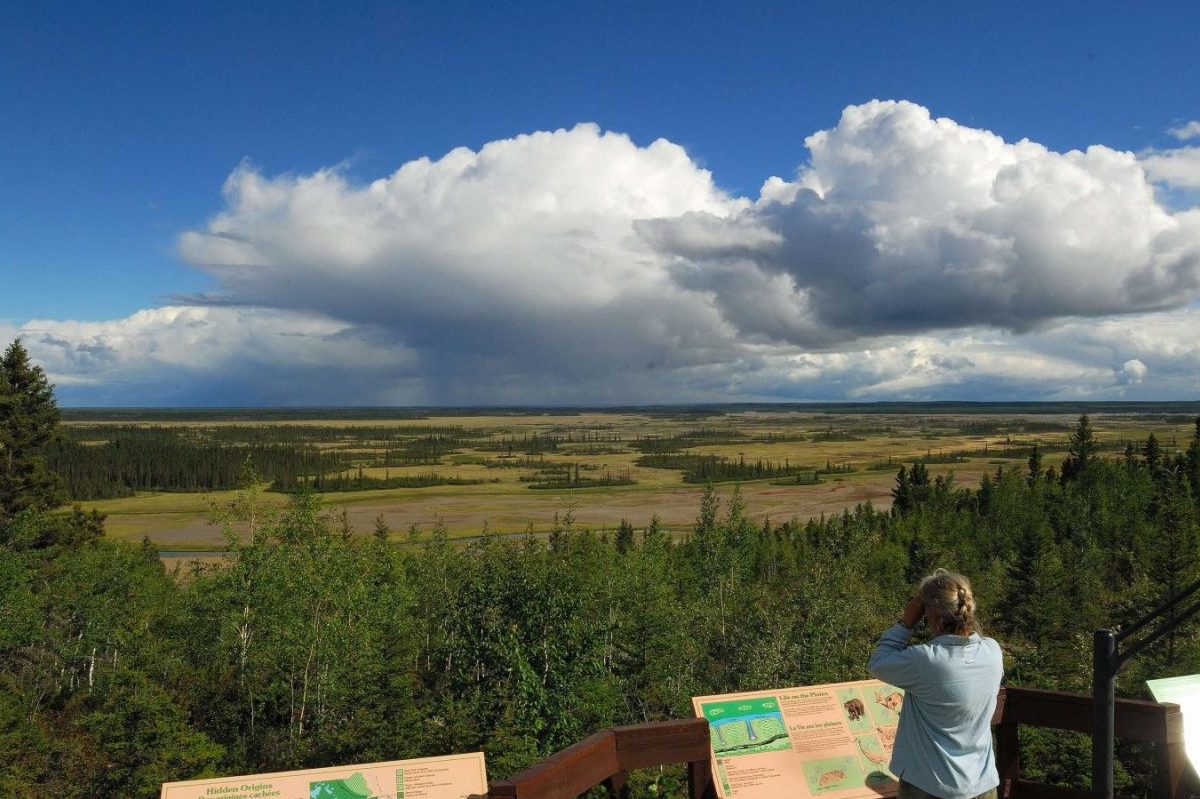
Here’s an insider tip from locals: if you’re planning backcountry trips into Wood Buffalo National Park or along the Slave River, carry a comprehensive first-aid kit and know how to use it. Cell service disappears quickly outside town, and emergency response times can stretch to hours depending on weather and your location. Always file a trip plan with Parks Canada or a trusted contact.
Keep the health centre’s number programmed in your phone: 867-872-0740. For emergencies, dial 911—Fort Smith has both RCMP and volunteer fire services. You’ll find healthcare facilities information and locations posted at the visitor centre. Remote wilderness requires remote-worthy preparation.
Entertainment After Dark (or Lack Thereof)
If you’re arriving from Vegas or Miami expecting buzzing nightclubs and late-night entertainment districts, Fort Smith will feel like a different universe. Most restaurants here close by 9 PM, and don’t be surprised to find downtown streets quiet after sunset, especially on weeknights. This isn’t a shortcoming—it’s simply the rhythm of a mid-sized river town that prioritizes outdoor adventures over after-dark action.
Instead of fighting this reality, lean into what Fort Smith does offer. The Unexpected Project’s murals make for beautiful evening photography during golden hour. Several local breweries stay open later with live music on weekends, giving you a taste of regional craft culture. Garrison Avenue has a historic charm that’s particularly atmospheric at dusk.
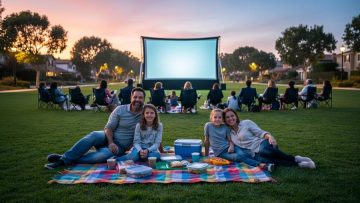
For families, evening strolls along the Arkansas River Trail provide stunning sunset views, and many hotels have pools that become the evening entertainment hub. Pack a deck of cards or plan game nights back at your lodging. Locals will tell you this slower pace is exactly the point—after a day exploring Fort Smith National Historic Site or hiking Devil’s Backbone, an early night lets you recharge for tomorrow’s adventures. Adjust your expectations, and you’ll appreciate the peaceful evenings rather than resent them.
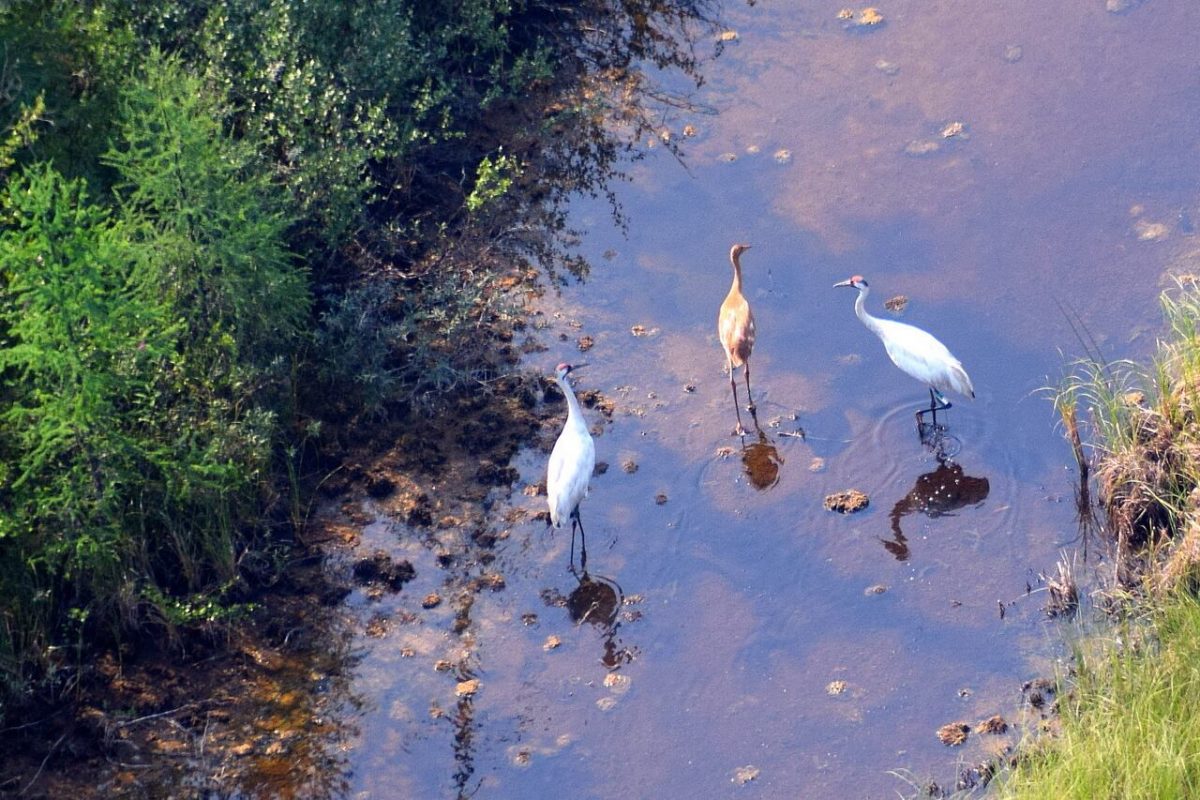
Fort Smith won’t hand you a vacation on a silver platter like those big-name destinations, and honestly, that’s part of its charm. The same quirks that might trip up unprepared visitors—the limited cell service, the early closing times, the need to pack your own supplies—are exactly what make this place feel genuine. Local folks have been navigating these realities for generations, and once you adjust your expectations, you’ll discover that slowing down and planning ahead actually enhances the experience. You’ll spend less time scrambling for forgotten essentials and more time watching bison graze at sunset or exploring trails without another soul in sight. Think of Fort Smith’s logistics not as obstacles, but as invitations to travel more intentionally. Stock that cooler, download those maps, and embrace the rhythm of a place where nature sets the schedule. The reward for doing your homework is an adventure that feels refreshingly real—one that sticks with your family long after more polished destinations have faded from memory.