
Fort Smith Public Schools delivers a comprehensive curriculum built on Arkansas state standards while weaving in distinctive programs that reflect the community’s rich frontier heritage and commitment to practical, hands-on learning. Parents researching what their children will actually learn here will find a blend of core academics, career-focused pathways, and outdoor education opportunities that set these schools apart from typical Arkansas districts.
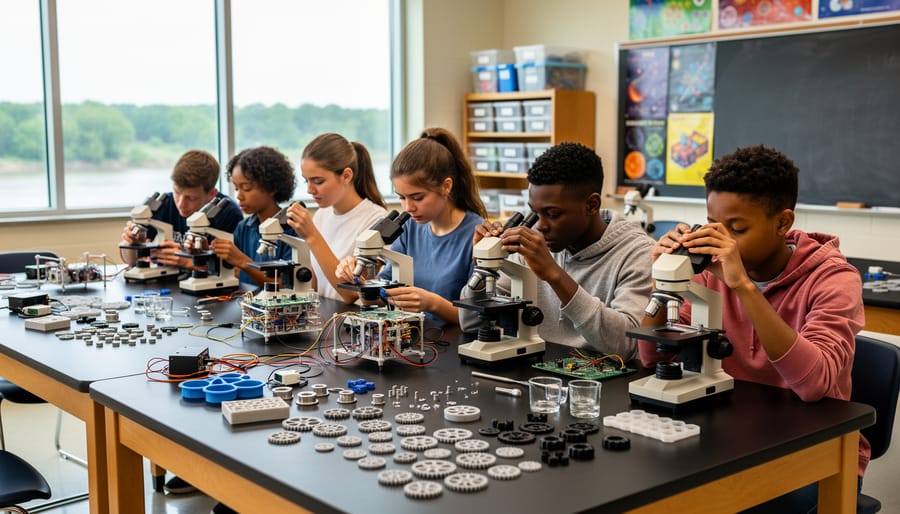
The curriculum spans traditional subject areas with notable strengths in STEM fields, thanks to partnerships with local manufacturers and the University of Arkansas at Fort Smith. What makes the approach particularly interesting for families moving to the area is how Fort Smith educators connect classroom lessons to the region’s real assets: students study ecology along the Arkansas River, examine westward expansion using actual sites from the city’s frontier past, and participate in agricultural science programs that tap into the surrounding rural landscape.
Fort Smith schools have also expanded dual-credit options significantly in recent years, allowing high schoolers to earn college credits while still in secondary school. The district offers specialized academies in fields like healthcare, engineering, and public safety, giving teenagers clear career pathways before graduation. For families who value both academic rigor and practical skills, this combination proves appealing.
Understanding the full picture requires looking beyond test scores and graduation rates. The way Fort Smith structures its curriculum reflects both state requirements and local priorities, balancing preparation for college entrance exams with workplace readiness. Whether you’re considering a move to the area or simply want to better support your student’s education, knowing what happens inside these classrooms helps you make informed decisions about involvement and enrichment.
The Fort Smith Curriculum Philosophy: Where Community Meets Classroom
Walk into any Fort Smith classroom and you’ll notice something different. Maps on the walls feature more than provincial boundaries, they show trap lines, caribou migration routes, and traditional Dene place names alongside highway markers. That’s intentional. Fort Smith schools don’t just teach curriculum; they weave the land, the people, and the past into everything students learn.
The foundation here rests on a simple truth: education works best when it reflects who kids are and where they come from. Fort Smith’s curriculum philosophy balances Northwest Territories learning standards with what makes this community distinct. Students master the same core competencies as kids across Canada, but they do it through a northern lens. Math word problems might involve calculating dog sled loads or estimating wood cords for winter. Science labs head outdoors to the slave river delta. Social studies doesn’t start with confederation, it starts with the land and the people who’ve lived here for thousands of years.
This approach isn’t about lowering standards or romanticizing the past. Teachers here work within the same territorial frameworks as schools in Yellowknife or Hay River, preparing students for post-secondary education and careers anywhere they choose. The difference lies in delivery. When a biology class studies watershed ecology by sampling water from the Rapids of the Drowned, students aren’t just memorizing concepts, they’re understanding the system that sustains their town. When elders visit to share stories about seasonal camps, kids connect history to their own family experiences.
Fort Smith educators recognize something essential: knowledge sticks when it matters. By grounding lessons in real community context, schools build both competence and connection.
Core Academic Programs: What Students Learn Year by Year
Elementary Focus (K-5)
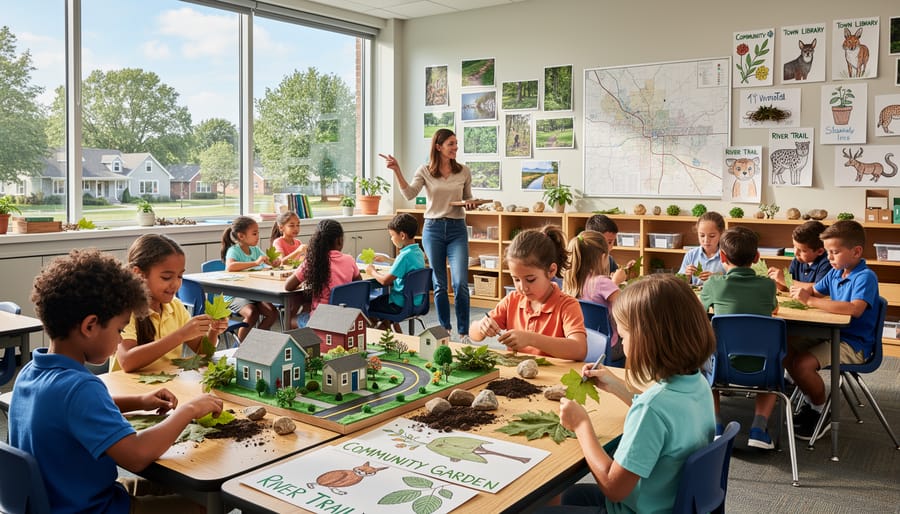
In Fort Smith’s elementary classrooms, the foundation starts with literacy and numeracy but never stops there. Kids spend mornings mastering phonics, sight words, and basic math operations, the building blocks that every school system teaches. But here’s where it gets distinctly Fort Smith: by afternoon, those same students might be learning about the Slave River’s ecosystem or reading stories from Dene elders.
Reading instruction follows provincial standards, progressing from letter recognition in kindergarten to chapter books by fifth grade. Math moves from counting and simple addition through multiplication, division, and introductory fractions. Teachers weave in local context wherever possible, word problems about canoe trips, counting exercises using wildlife populations, geography lessons anchored in the actual landscape kids see outside their windows.
Science curriculum introduces the natural world through hands-on observation. Students track seasonal changes, learn to identify local plants and animals, and start understanding basic ecological concepts using Fort Smith’s environment as the textbook. Social studies explores community helpers, local history, and Indigenous cultures, not as abstract concepts but as the living fabric of their hometown.
By fifth grade, students have built solid academic skills while developing a deep connection to the place they’re growing up.
Middle School Transition (6-8)
Middle school in Fort Smith marks the shift from learning foundational skills to applying them in deeper, more specialized ways. Students in grades six through eight tackle pre-algebra and algebra, expanded sciences like biology and earth science, and more detailed explorations of Canadian and world history. This is when electives enter the picture, options like art, music, shop class, and outdoor leadership let kids discover interests beyond core academics. Teachers also begin introducing career readiness concepts and high school planning, helping students understand how their choices now shape the pathways available later. The goal is building independence and critical thinking while still keeping class sizes small enough that teachers know each student personally.
High School Pathways (9-12)
Fort Smith high schools offer three main tracks to match different goals. The college prep stream includes advanced math, sciences, and humanities courses that prepare students for post-secondary education. The vocational pathway connects directly with local industries, students can explore trades like mechanics, carpentry, construction, and resource management through hands-on programs. Many of these practical skills courses align with opportunities at the free job training programs available to adults in town, creating a continuum of learning. A third option blends both approaches, letting students take academic courses alongside electives in areas like outdoor leadership, Indigenous studies, or business. Graduates leave with either a solid foundation for university or immediately marketable skills for the local job market.
The Outdoor Education Advantage: Learning Beyond Four Walls
Step into a Fort Smith classroom and you’ll quickly realize the school day doesn’t end at the building’s exit. Here, the boreal forest, river valleys, and northern landscapes serve as living laboratories where textbook concepts become tangible experiences. It’s an approach that recognizes what locals have always known: this place teaches lessons no indoor whiteboard ever could.
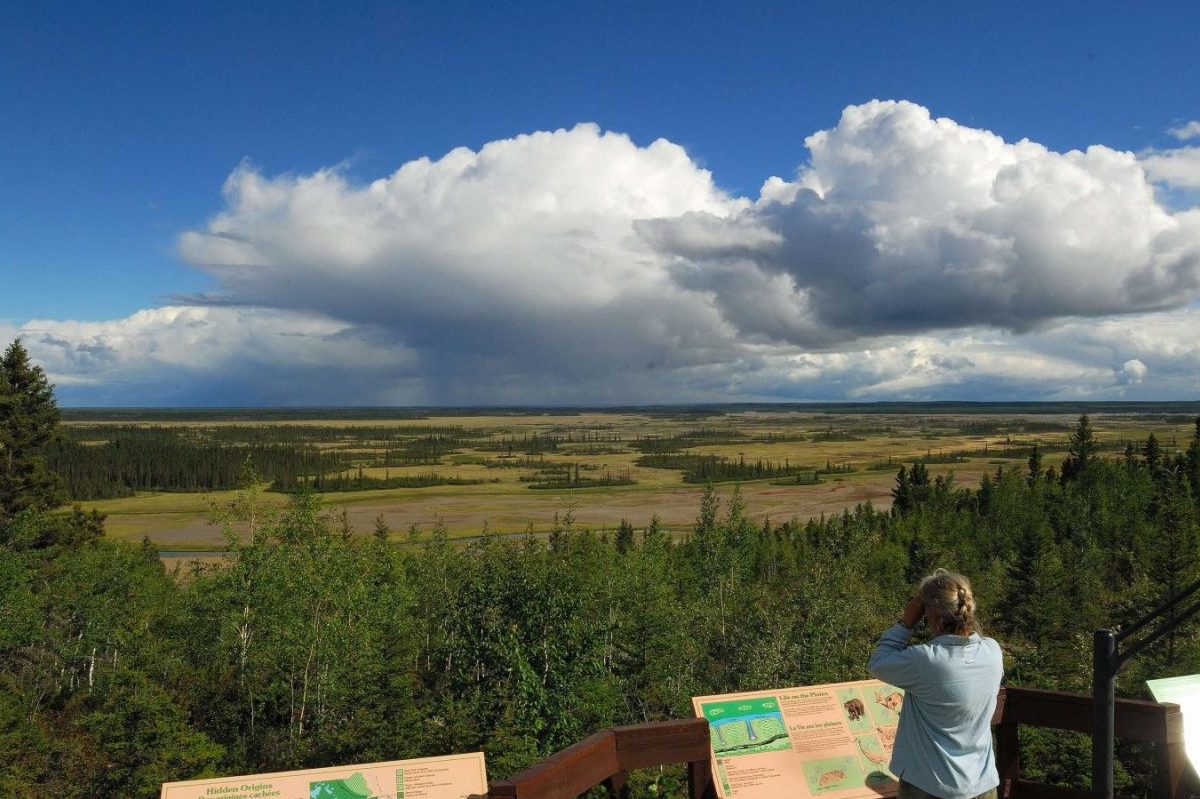
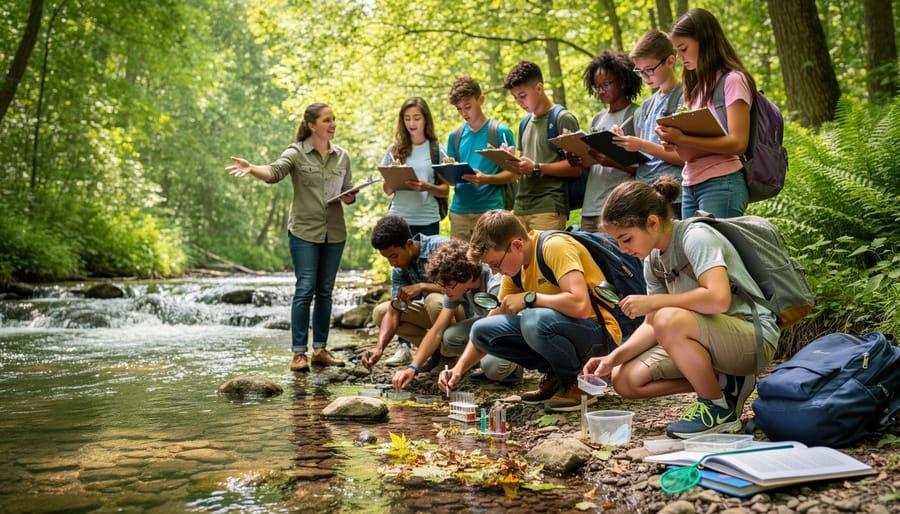
Fort Smith schools weave outdoor education throughout the year, making environmental literacy as fundamental as reading and math. Elementary students might spend autumn afternoons identifying tree species in nearby Wood Buffalo National Park, while middle schoolers learn water quality testing by collecting samples from the Slave River. High school biology classes venture into the field to observe wildlife behavior firsthand, turning abstract ecological concepts into memorable encounters with the land itself.
The curriculum takes full advantage of the region’s extraordinary setting:
- Seasonal camping trips where students practice survival skills, navigation, and wilderness ethics
- Partnered state parks field trips that connect classroom science to real ecosystems
- Traditional Indigenous land-based learning sessions with local knowledge keepers
- Winter snowshoe expeditions for cross-curricular studies combining physical education, science, and cultural history
- Spring bird migration monitoring projects that contribute to actual conservation research
Teachers here understand that a kid who’s learned to read animal tracks in fresh snow or identify edible plants on the tundra carries knowledge that extends far beyond test scores. These outdoor experiences build resilience, self-reliance, and a deep connection to place, qualities that serve students whether they eventually leave for university or choose to build lives in the North.
The approach isn’t about replacing traditional academics. It’s about enriching them with context that makes learning stick, using the 44,000 square kilometers of wilderness surrounding town as the world’s most impressive extended campus.
Special Programs and Extracurriculars That Make Fort Smith Different
Fort Smith schools offer a distinctive blend of programs shaped by the North’s geography and cultural heritage. The Indigenous Knowledge and Languages program stands out most prominently, students have opportunities to learn Dene or Cree from fluent speakers, and elders regularly visit classrooms to share traditional storytelling, land-based teachings, and cultural practices. This isn’t a token gesture; it’s woven throughout the curriculum from kindergarten onward, giving all students a deeper understanding of the communities that have called this region home for thousands of years.
Wildlife and environmental studies extend far beyond textbook learning. High schoolers can participate in field research projects with local biologists, tracking bird migrations or monitoring bison populations in Wood Buffalo National Park. The school’s partnership with Parks Canada means students get hands-on experience in real conservation work, not simulated exercises.
The arts scene thrives despite the town’s remote location. Student exhibitions rotate through local businesses, the annual Northern Lights Festival features student performances, and visiting artists from across Canada run intensive workshops each year. Drama productions draw the whole community, and the music program includes both traditional and contemporary styles.
Sports adapt to the environment and season. Cross-country skiing, ice hockey, and snowshoeing dominate winter months, while summer brings canoeing, hiking clubs, and outdoor adventure programs. The After-School Land Program takes students onto the land with guides who teach camping skills, fire-building, and navigation, practical knowledge that feels as essential here as algebra.
These offerings reflect what makes Fort Smith itself different: a small community with big connections to the landscape and cultures around it.
Support Services: How Fort Smith Schools Help Every Student Succeed
Fort Smith schools recognize that academic success depends on more than textbooks and tests. The district provides a comprehensive network of support services designed to meet students where they are and help them thrive.
Special education staff work closely with families to develop individualized learning plans for students with diverse needs. Small class sizes mean teachers can adapt their approach and provide one-on-one attention when a concept isn’t clicking. The district also offers tutoring programs after school, matching struggling students with both certified teachers and trained high school peer mentors.
Counseling services extend beyond college prep. School counselors address mental health, family challenges, and the unique pressures of growing up in a remote community. They connect families with local resources and provide a safe space for kids to talk through difficulties.
The nutrition program ensures every child has access to healthy meals, understanding that hunger is a barrier to learning. Breakfast and lunch programs accommodate dietary needs and cultural preferences, reflecting Fort Smith’s diverse population.
This support infrastructure ties into Fort Smith’s broader commitment to community education where helping each other succeed isn’t just policy, it’s how neighbors treat neighbors. Teachers know their students’ families, understand the challenges of northern life, and adjust support accordingly. Whether a child needs extra math help, a quiet conversation, or simply a good breakfast, Fort Smith schools have systems in place to provide it.
Parent and Community Involvement: Your Role in Fort Smith Education
In Fort Smith, the line between school and community blurs in the best possible way. Parents here aren’t just dropping kids at the door, they’re welcome and encouraged to be part of the learning ecosystem, whether that means joining a field trip to Wood Buffalo National Park, reading to first-graders, or helping maintain the school’s outdoor classroom spaces.
Start by connecting with your child’s teacher early in the year. Fort Smith teachers are remarkably accessible, often available for quick chats at pickup or through email. Most classrooms use communication apps to share weekly learning goals, upcoming projects, and ways you can reinforce lessons at home.
The schools also maintain parent resources that can help you understand new teaching methods and support your child’s homework routine.
Volunteer opportunities range from classroom help to chaperoning outdoor education trips, organizing cultural events, and serving on the Parent Advisory Council. New families often find that volunteering is the fastest way to understand how Fort Smith schools work and to build connections. The broader community pitches in too, local Elders teach traditional skills, business owners host career days, and park staff lead nature lessons. This web of support means education here truly takes a village, and your involvement matters more than you might think.
Fort Smith’s schools do more than check boxes on standardized tests. They prepare kids for the realities of Northern life while building a foundation that carries them anywhere they choose to go. The curriculum here grows directly from the landscape and community you’ve been exploring, whether that’s Wood Buffalo National Park trails or the cultural heritage woven through town.
When academic lessons extend to wildlife tracking, when math problems incorporate bush plane navigation, and when community elders share knowledge alongside certified teachers, education becomes something students can touch and use. That’s the Fort Smith difference.
If you’re considering a move or just want to understand what shapes young minds here, visit the schools yourself. Walk the hallways, talk with teachers, watch students head out for field studies. You’ll see quickly how education in Fort Smith connects classroom learning to the massive wilderness surrounding us and the tight-knit community within it.
The curriculum reflects our values: resilience, respect for the land, and readiness for whatever comes next. That’s what we’re teaching your kids in 2026.