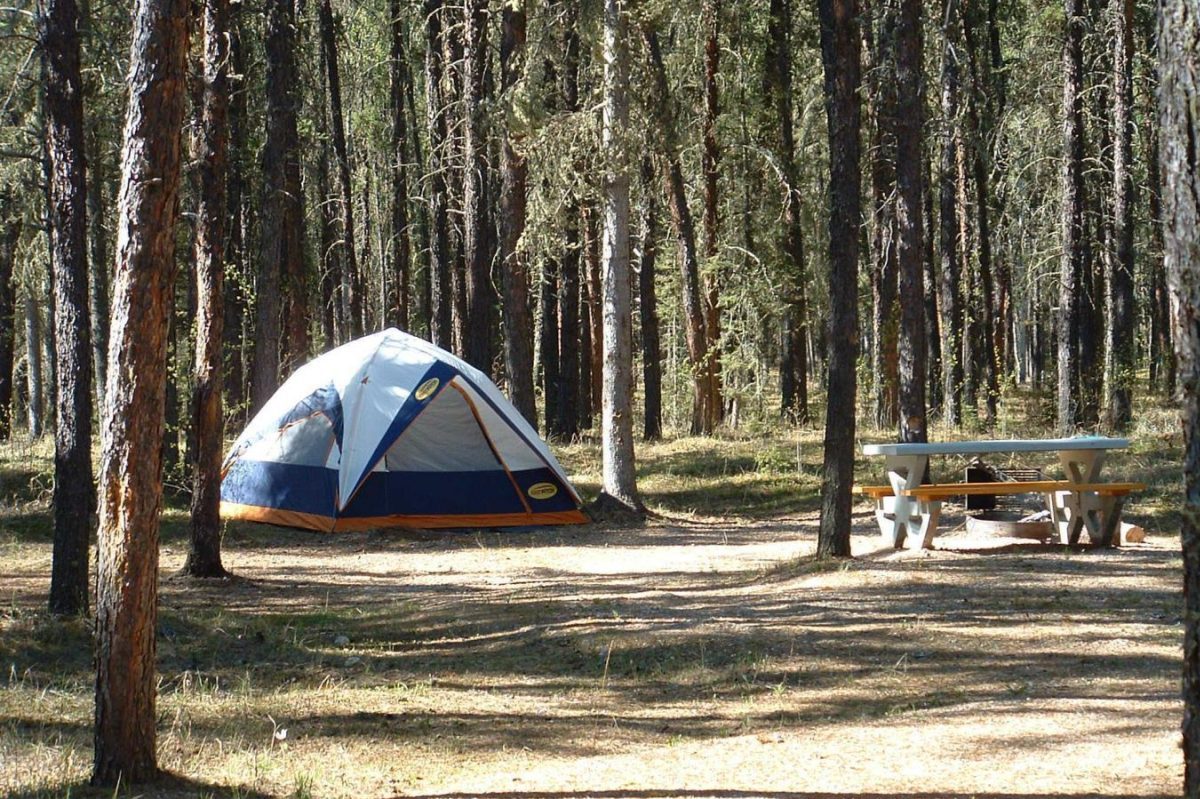

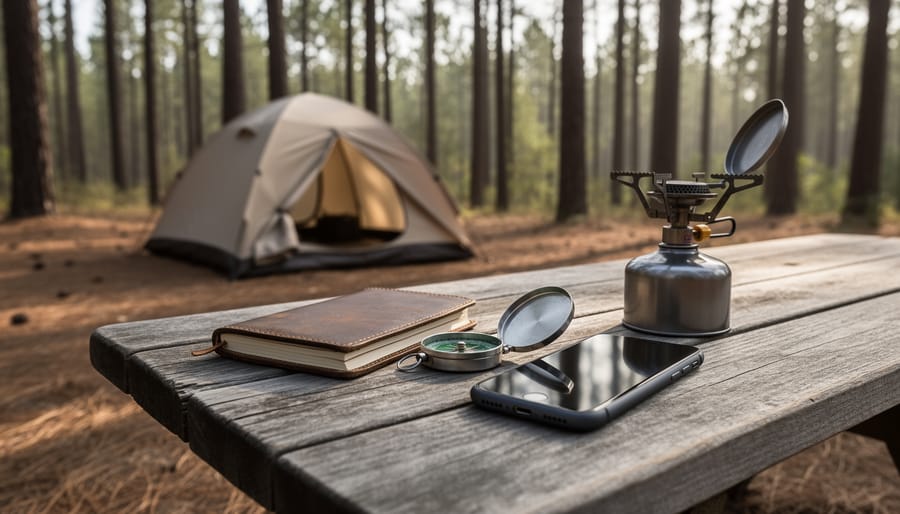
Finding balance between outdoor adventures and digital entertainment requires clear boundaries and self-awareness. Whether you’re planning a weekend at one of Fort Smith’s beautiful state parks or settling in for an evening of online gaming at moonbet.co/casino/ responsible play means setting limits before you start and sticking to them every time.
The connection between camping and online casino play might seem unusual at first, but both activities share a common thread: they’re most rewarding when approached with intention and discipline. Fort Smith sits at the edge of some of Arkansas’s finest camping country, where families have gathered for generations to disconnect from daily routines. Yet in 2026, true disconnection has become harder to achieve. Smartphones travel with us to remote campsites, and the temptation to fill quiet evening hours with digital entertainment can override the purpose of getting outdoors in the first place.
Responsible online casino play follows the same principles whether you’re at home or under the stars. Budget what you can afford to lose, never chase losses, and recognize when entertainment crosses into compulsion. The real challenge comes when these two worlds overlap at the campsite.
This guide offers practical strategies for keeping your outdoor experience intact while enjoying occasional digital entertainment responsibly. You’ll find specific tips rooted in Fort Smith’s camping culture, warning signs to watch for, and local resources if gaming habits start affecting your quality of life or family time.
Why This Conversation Matters for Fort Smith Campers
Fort Smith’s camping scene has changed dramatically over the past decade. Where once our local campgrounds offered near-total disconnection from the digital world, many sites now have surprisingly strong cell coverage. Devil’s Den State Park maintains pockets of true wilderness silence, but spots closer to town, including campgrounds along the Arkansas River and near Chaffee Crossing, can pull down 4G or even 5G signals without issue.
This connectivity brings real conveniences. You can check weather updates, share photos with distant family, and yes, access entertainment apps during downtime. But it also means the boundary between everyday routines and outdoor escape has blurred. When you can scroll, shop, or gamble from your camp chair as easily as from your living room couch, the intentionality behind camping starts to fade.
Local camping culture here has always valued unplugging as part of the experience. Fort Smith families head to the woods specifically to escape screens, reconnect over a fire, and let kids explore creeks instead of YouTube. When digital entertainment, particularly activities involving money, like online casino play, follows you to the campsite, it can quietly erode exactly what you came for.
The stakes feel different away from home routines. Without your usual schedule, visual cues, or the simple friction of being in a familiar space, it becomes easier to misjudge time or spending. An hour disappears faster when you’re sitting in a camp chair instead of at your desk. Establishing responsible boundaries matters more, not less, when you’re in an unfamiliar setting where the whole point is presence, not escape into a screen.
Understanding Responsible Online Casino Play
Setting Clear Boundaries Before You Leave Home
The trail looks different when you’ve already decided where you’re going. Same goes for managing entertainment before you pack the tent.
Sit down the week before your trip and set hard numbers. Decide your total entertainment budget for the entire camping duration, not what feels reasonable in the moment, but what you can afford to lose completely without affecting your groceries, gas home, or emergency fund. Most Fort Smith campers I’ve talked to treat this the same way they budget for firewood or a restaurant meal in town: it’s a fixed amount, period.
Next, use the tools your casino app already provides. Set deposit limits that match your pre-decided budget. Enable session timers that boot you out after 30 or 60 minutes. These aren’t suggestions for problem gamblers, they’re smart guardrails for anyone who wants to stay in control when regular routines don’t apply.
Write down your limits. Actually write them. Put the note in your camping bin or tape it inside your phone case. When you’re tired after a long hike or bored because it rained out your fishing plans, that written boundary makes the choice for you. You won’t be negotiating with yourself about whether you can stretch the budget or play one more round.
Pre-trip planning works because it removes the decision from your tired, spontaneous, away-from-home brain. You decided when you were clear-headed. Now you just follow through.
Recognizing When Entertainment Becomes a Problem
The clearest warning sign is when you find yourself choosing a screen over a sunset hike or skipping a planned fishing trip because you’re “just finishing up” an online session. If your camping companions have to call your name twice to get your attention, or if you’re making excuses to stay at the campsite while everyone else explores Fort Smith’s trails, the entertainment has crossed a line.
Watch for these red flags: setting alarms to wake up early for “just one more game” before breakfast, feeling irritable when connectivity drops, or becoming defensive when someone asks what you’re doing on your phone. Chasing losses, trying to win back money you’ve already spent, is particularly dangerous because it can lead to the same time and money mistakes that derail any vacation. If you’re hiding your screen when family members walk by or lying about how long you’ve been online, that secrecy itself signals a problem.
Financial warning signs matter too: dipping into your camping budget for online play, using credit cards after depleting cash, or feeling anxious about checking account balances. The moment you notice any of these patterns, pause everything and reach out. The National Problem Gambling Helpline (1-800-522-4700) offers free, confidential support 24/7, and trained counselors can help you regain control before a camping trip becomes a crisis.
Creating a Camping-First Technology Plan
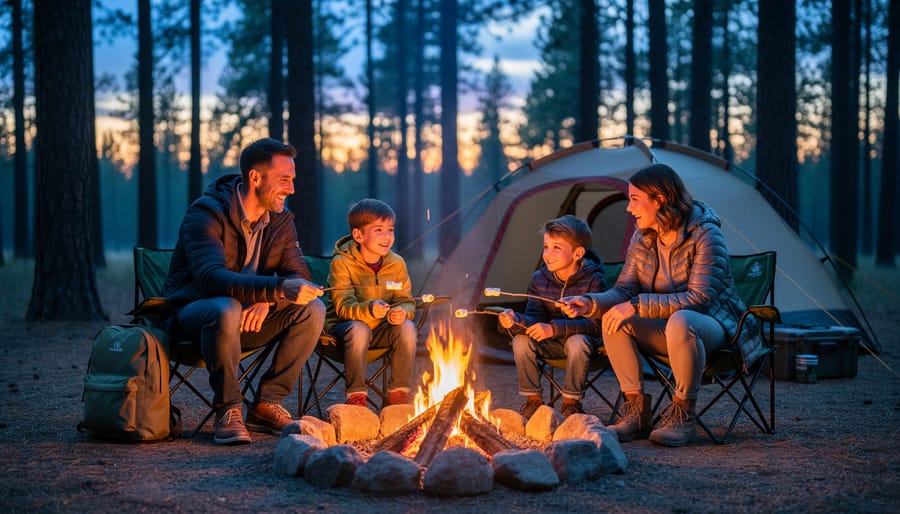
The most successful Fort Smith campers treat their devices like any other piece of gear: useful when needed, but never the main event. Start by mapping out your camping day around experiences first, screens last. Mornings are for coffee by the fire and planning which trails or fishing spots to explore. Midday belongs to swimming, hiking, or exploring the parks. Late afternoon transitions into meal prep and campfire building. Only after you’ve squeezed the day dry of outdoor adventures should entertainment apps enter the picture.
Here’s a practical framework that local regulars swear by:
- Designate specific device windows: one hour after dinner, never during meals or active outdoor activities
- Create device-free blocks for sunrise and sunset, when Fort Smith’s landscapes look their best
- Establish family agreements before leaving home about when and where screens are acceptable
- Adopt an evening-only rule: no devices until the day’s planned activities are complete
- Pair up with an accountability partner who’ll call you out if you’re glued to a screen during prime hiking hours
One Fort Smith father shared that his family uses a simple mason jar system. Everyone deposits their phones in the jar after breakfast, and it doesn’t open until after dinner cleanup. That single change transformed their camping trips from distracted coexistence to genuine connection.
Consider your camping trip’s purpose. If you came to reconnect with your kids, teach them to fish, or finally tackle that trail you’ve been eyeing, honor that intention. Entertainment has its place during genuine downtime: waiting out afternoon thunderstorms, quiet moments after the kids are asleep, or lazy mornings when everyone’s sleeping in. The key is making technology serve your camping goals rather than compete with them.
Fort Smith Camping Spots That Help You Disconnect
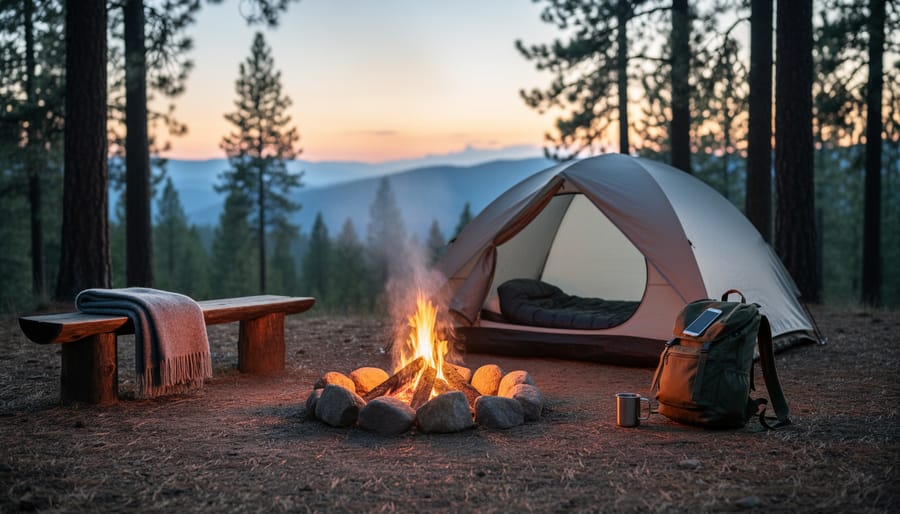
Sometimes the best defense against distraction is choosing places where distraction simply can’t follow. Fort Smith’s remote camping areas offer spotty cell service and zero wifi, making them natural allies for anyone wanting to prioritize outdoor experiences over screen time.
Devil’s Den State Park, tucked into the rugged Boston Mountains about 40 minutes south of Fort Smith, delivers stunning rock formations and challenging trails that leave little energy for staring at a phone. Cell reception fades in the hollows and caves, and most campers report this as a feature, not a bug. Last summer, a Rogers family told park staff they’d specifically chosen Devil’s Den for a “digital detox weekend” after realizing their teenage son spent more time gaming at their previous campground than hiking with them. The forced disconnection reset their priorities.
For even more isolation, consider Lake Fort Smith camping at the state park’s walk-in tent sites. These primitive spots require a short hike from the parking area, putting physical distance between you and your vehicle while the surrounding Ozark hills block most signals. You’ll find yourself focused on catching bass, paddling the clear water, or simply watching fog lift off the lake at sunrise, activities that lose their magic when interrupted by notification pings.
If you’re uncertain where to camp for minimal connectivity, ask rangers about signal strength when you call to reserve. Many will candidly share which sites have the weakest coverage. Ben Geren Park, closer to town, offers full amenities but surprisingly limited service in certain loops, giving you convenience with natural boundaries.
The right location does half the work of keeping you present.
When Connectivity Is Available: Making Smart Choices

Just because you can connect doesn’t mean you should stay glued to a screen. Many Fort Smith campgrounds now offer reliable cell service or wifi, which creates both convenience and temptation. The key is treating connectivity as a tool, not the main event.
Save digital entertainment for genuine downtime, after you’ve set up camp, finished dinner, and the kids are asleep in their tents. Weather delays and early mornings before the group wakes up are natural windows for personal screen time. If you’ve planned an online casino session within your pre-set limits, these quiet hours work well. They don’t compete with hiking trails, campfire stories, or the reason you came outdoors in the first place.
Be honest with your camping companions about device use. If you’re stepping away to play for thirty minutes after dark, say so. Sneaking off with your phone creates tension and breaks trust. Most groups understand adults need different kinds of relaxation, but secrecy suggests a problem.
Set a timer and stick to it. Sixty minutes is plenty for evening entertainment. When your session ends, put the phone in the tent and rejoin the group. Fort Smith’s night skies offer better entertainment than any screen, constellations you can’t see from town, the occasional meteor, sounds of the river settling down. That’s what you drove here for. Let the connectivity serve your trip without consuming it.
Resources and Support
If online casino play stops feeling like casual entertainment, reaching out for support shows wisdom and self-awareness. The National Council on Problem Gambling operates a confidential helpline at 1-800-522-4700, available 24/7 for anyone with questions or concerns. Their trained counselors can connect you with local resources, including options here in Arkansas.
Most licensed online casino platforms offer built-in responsible gaming tools. Look for features like deposit limits, session reminders, self-exclusion periods, and reality checks that display how long you’ve been playing. These controls put you in charge of your entertainment boundaries.
For families concerned about a loved one’s gambling habits, organizations like Gamblers Anonymous provide support groups and educational materials. Their website offers meeting locators and guidance for those ready to make changes.
Arkansas residents can also contact the Arkansas Department of Human Services for information about local counseling services. Many Employee Assistance Programs cover gambling-related concerns confidentially.
Remember that asking for help early prevents small concerns from becoming bigger problems. The camping trips you love depend on maintaining healthy habits across all aspects of life.
Frequently Asked Questions
The best camping trips raise practical questions about balancing modern connectivity with outdoor experiences. Here are answers to common concerns Fort Smith campers face when managing digital entertainment in the wilderness.
Is it okay to use my phone or play casino games while camping?
Yes, during genuine downtime like quiet evening hours or weather delays, using your phone is fine. The key is ensuring screen time doesn’t replace hiking, campfires, fishing, or family connection that make camping worthwhile.
How do I set limits on casino apps before my camping trip?
Most reputable casino apps offer deposit limits, session timers, and daily loss caps in their settings. Establish these boundaries at home before you leave, when you’re thinking clearly and not in the moment.
What if my camping partner is spending too much time online?
Have a calm, non-judgmental conversation during a relaxed moment, not when tensions are high. Share your observation about how screen time is affecting shared experiences, and suggest specific activities you’d like to do together.
How do I know if online casino play has become a problem?
Warning signs include hiding your screen time from others, neglecting camping activities you normally enjoy, chasing losses, exceeding preset limits, or feeling anxious when you can’t access casino apps. If you recognize these patterns, reach out to the National Problem Gambling Helpline at 1-800-522-4700.
These questions reflect real concerns from families exploring Fort Smith’s parks. Remember, the point of camping is connection with nature and loved ones. If digital entertainment enhances your downtime without overshadowing the outdoor experience, you’ve found the right balance. When it starts interfering with what brought you to the wilderness in the first place, that’s your signal to adjust.
Fort Smith’s parks and wilderness areas offer something increasingly rare: a chance to step away from the noise and reconnect with what matters. When you’re watching the sunset over the Arkansas River or teaching your kids to build their first campfire, those moments deserve your full attention.
Setting boundaries around online entertainment isn’t about rigid rules or judgment. It’s about protecting the experiences you came for. The crackling fire, the shared laughter, the quiet awe of a star-filled sky, these create the memories that last long after you’ve packed up camp.
If you find yourself reaching for your phone more than your fishing rod, that’s okay. Recognizing it is the first step. Adjust, recalibrate, and give yourself permission to be fully present. Your financial wellbeing and your family’s camping experience both benefit when you prioritize connection over screens.
The trails are waiting. The river keeps flowing. Fort Smith’s outdoor spaces will reward you every time you choose to be truly there. Pack your gear, set your limits, and let the wilderness work its magic.