
The best Ozark National Forest campsites sit within about a two-hour drive of Fort Smith, and they range from lakeside spots with swimming and boat ramps to quiet creekside sites tucked under oak and hickory. Pick based on what you want most: water, hiking, or plain old quiet. This guide walks through real, camera-ready camping areas, shows how they compare side by side, and covers the planning basics so you can book with confidence.
If you already love the green spaces around town, the Ozarks are the natural next step. The Fort Smith parks are a great warm-up, but nothing beats waking up to mist rolling off a hollow, coffee in hand, with a trailhead a few steps from your tent flap.
Folks around here have been heading into these hills for generations, first for hunting and fishing, now for family weekends and fall color. The forest rewards a little prep. Fees, seasons, and road conditions change, so confirm the details with the U.S. Forest Service before you load the truck. Here’s where to point it.
Why the Ozarks Are Worth the Drive from Fort Smith
Step out of Fort Smith and head north or east, and the land starts to fold. Flat river bottoms give way to rolling hills, then to a thick hardwood canopy of oak and hickory that glows gold in October. Clear streams run over smooth rock, and once the sun drops, the night sky opens up in a way city lights never allow.
The Ozarks have shaped life along the Arkansas River for generations. Early settlers floated goods and families down the river, but the folks who lived here always knew the hills were close. Families would load a wagon, and later a pickup, to fish a cold creek, gather nuts, or simply get away from the heat and bustle of the river towns. That habit never went away. It just got a few more tents and camp chairs.
The forest suits just about everyone. Families like the easy lakeside spots where kids can splash and skip rocks. First-time campers can start with a developed campground and still feel like they’ve left town behind. Hikers find trails that range from gentle strolls to leg-burning climbs, and anglers have streams and lakes within a short drive.
Best of all, it fits a normal schedule. Leave Friday afternoon, set up camp before dark, and be back in your own bed Sunday night. You don’t need a week off to feel like you’ve been somewhere.
How We Chose These Campsites
We kept the picking process simple. First came distance: how far each spot sits from Fort Smith, since a good weekend trip shouldn’t eat half your Saturday on the road. Next we looked at what’s close by, like hiking trails, a lake to fish or paddle, or a creek to splash in. We also weighed amenities, from developed campgrounds with facilities to more rustic sites, and how well each suits families with kids in tow. Finally, we considered the overall setting, because a pretty view makes a trip memorable.
A quick note on how we know all this: our picks come from published forest information and local reputation, not from claimed first-hand visits to every site. Always double-check current details with official sources before you go.
Top Ozark National Forest Camping Areas and Trail-Friendly Picks
1. Lake Fort Smith Area Camping
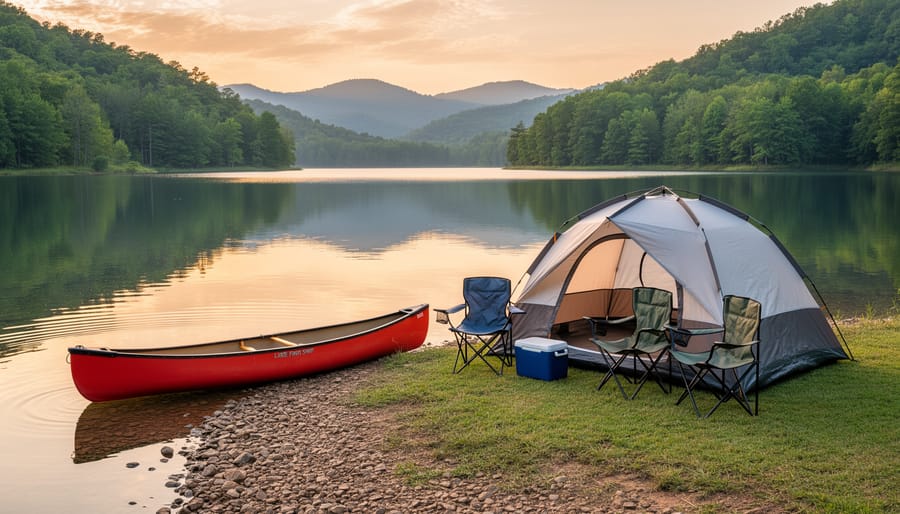
Lake Fort Smith sits right on the edge of the Ozark National Forest, which makes it one of the easiest places to start if you live in town. The lake is the star here: calm water, wooded shoreline, and a quiet that feels a lot farther from the city than the drive suggests. Families like it because the setting is gentle and the pace is slow, with plenty of room for kids to poke around the shore while grown-ups settle in.
Trail access is close by, so you can swap lake time for a woodland walk without packing up the car. Camping options in the area range from developed sites to simpler setups, so check official forest and park sources for what’s currently offered.
Insider tip: weekdays and shoulder-season mornings are usually the calmest, while sunny weekends draw the biggest crowds.
| Area | Camping Style | Nearby Trails or Water | Best Suited For |
|---|---|---|---|
| Lake Fort Smith Area | Lakeside, mix of developed and simpler sites | Lake access and nearby forest trails | Families and first-time campers |
| Mount Magazine Area | Mountain-top camping | Scenic viewpoints and hiking | Hikers and view seekers |
| Cove Lake Recreation Area | Developed lakeside | Lake shoreline and easy trail strolls | Families who want amenities |
| Spring Lake Recreation Area | Developed lakeside | Lake fishing and shoreline paths | Anglers and families |
| Redding Recreation Area | Riverside along the Mulberry | River access and nearby trails | Paddlers and outdoor enthusiasts |
2. Mount Magazine Area
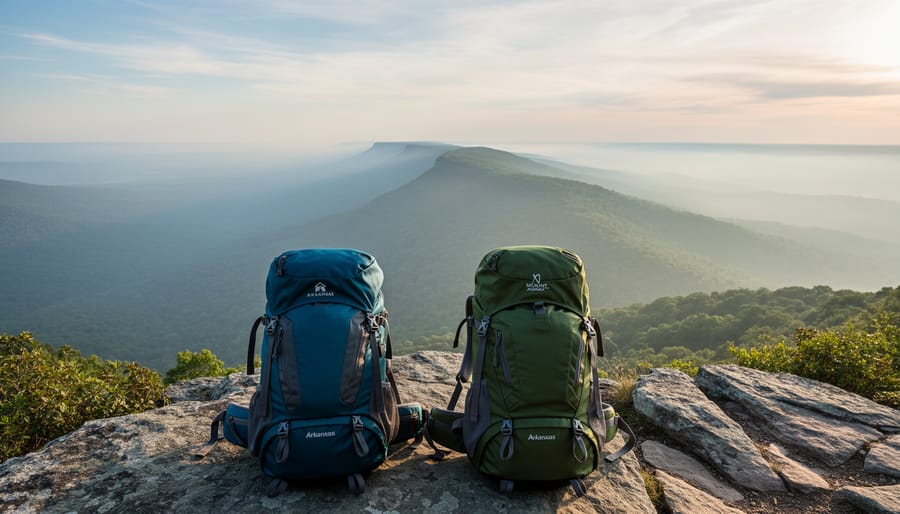
Mount Magazine rises to 2,753 feet, the highest point in Arkansas, and you feel the difference the moment you climb the winding road up. The air runs a few degrees cooler than down in the valley, which makes summer camping far more pleasant than you might expect.
Campers come here for the views as much as the sites. Long ridgelines roll out in every direction, and on clear days the hills fade into soft blue layers. Bluffs and overlooks make easy stops, and several hiking trails wander along the rim and through hardwood forest. Some are short strolls that suit kids, while others test your legs a bit more.
Here’s an insider tip: plan your day around the light. Catch sunrise from an overlook with a thermos of coffee, then come back at sunset when the whole mountain glows. Bring a jacket either way, because the summit breeze can surprise you.
3. Cove Lake Recreation Area
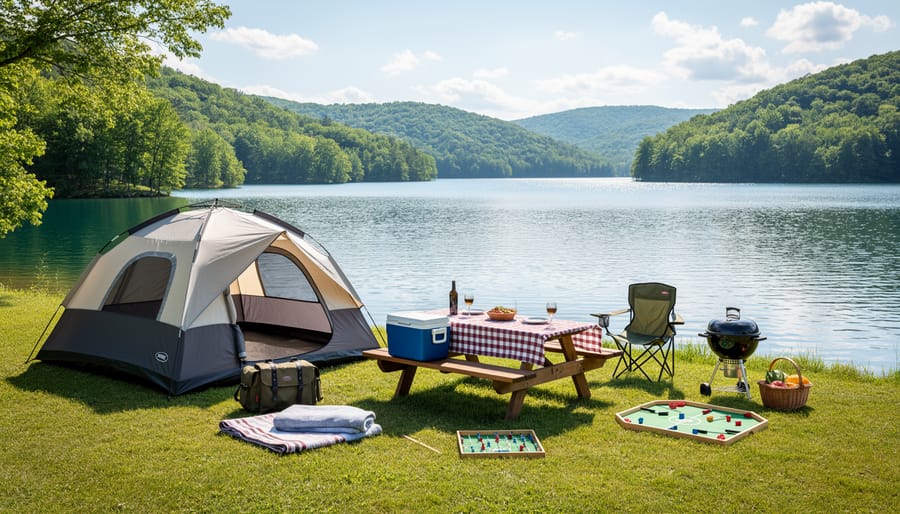
Cove Lake sits in the hills near Paris, and it’s one of those spots that makes a good first campout feel easy. The Cove Lake Recreation Area is a developed forest campground built around a small, quiet lake ringed by hardwoods, so you get the Ozark feel without roughing it too hard.
Families tend to like it for the basics: organized campsites, a lakeside setting for fishing and relaxing, and picnic areas for a long afternoon outdoors. Kids can run off some energy while grown-ups settle in with a camp chair and a view of the water.
If you want a little walking without a big commitment, easy trail strolls near the lake are perfect for a morning or evening wander. Wildlife is often most active then, and the light on the water is hard to beat.
Insider tip: weekday arrivals are usually calmer, and a site with some shade makes warm afternoons much more comfortable.
4. Spring Lake Recreation Area
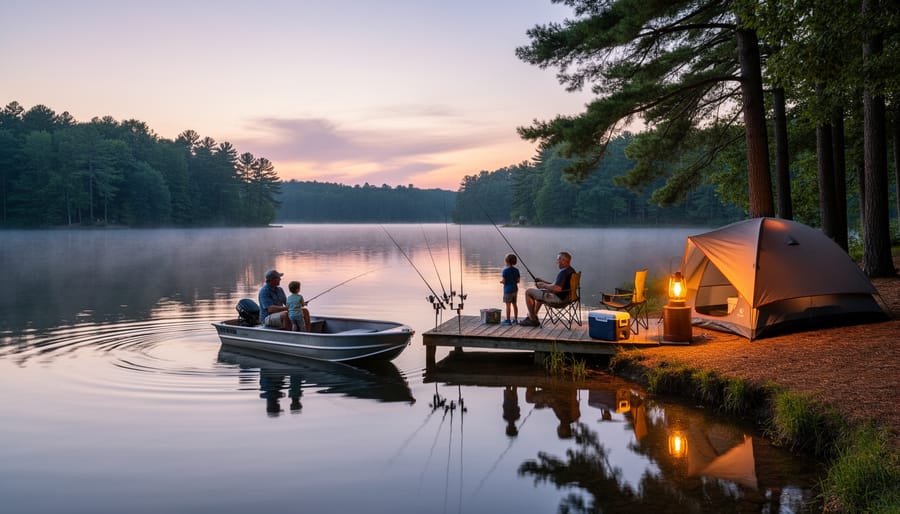
Spring Lake sits in the Ozark National Forest near Danville, a good pick if you like a camp with a little structure around it. This is developed lakeside camping, so you get a real base with facilities instead of hauling in every comfort yourself. Families tend to like that, and anglers appreciate being steps from the water. The Spring Lake camping area is set among hardwoods, and the lake gives you fishing, paddling, and plenty of quiet time at the shoreline.
Here’s the insider tip: look at the layout before you commit to a site. Waterside spots feel great at sunrise but can be busier with foot traffic, while sites set a bit back offer more privacy and shade. Think about what matters most, and pick accordingly.
5. Redding Recreation Area and the Mulberry River Corridor
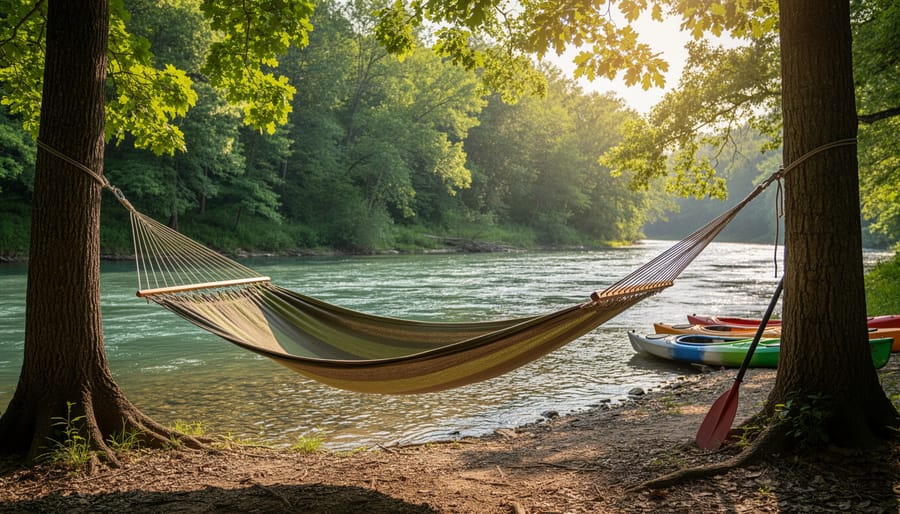
Tucked into the hills northeast of Fort Smith, the Mulberry River corridor feels like a different world. The water runs clear over rocky shoals, hardwoods lean in from both banks, and the whole place hums with the sound of moving water. The Redding Campground by Mulberry River puts you right beside it, so you can fall asleep to the current and wake up ready to paddle or hike.
Outdoor enthusiasts love this stretch for floating, but the Mulberry is a rain-fed river. It can be lively after a good soaking and thin to the point of scraping in dry spells.
Insider tip: check recent rainfall and current river levels before you load the truck. A quick look beforehand can save you a long drive for a river that isn’t floatable, and the campground and nearby trails make a fine weekend anyway.
Planning Your Trip: Getting There, Timing, and Camping Basics
Most Ozark National Forest campsites sit within a couple of hours of Fort Smith. Head north on I-540 or east along the Arkansas River Valley, then climb into the hills on state highways. Those roads wind, drop into hollows, and slow you down, so give yourself extra time and don’t count on keeping highway speeds. Gas up before you leave town, because stations thin out fast once you’re in the forest.
Seasons shape the trip more than people expect. Spring brings wildflowers, rushing creeks, and the occasional storm. Summer is warm and humid, so lakeside and creekside sites feel best. Fall is the crowd favorite, with cool nights and color on the ridgelines. Winter is quiet and often chilly, and some facilities may be limited.
Reservations work differently from site to site. Many developed campgrounds take advance bookings, while others run first-come, first-served, and rustic or dispersed spots usually have no booking at all. If you’d rather wake up in town and make it a day trip, our guide to Fort Smith lodging is a handy backup plan.
Fees, closures, and conditions change, so check official forest sources before you go rather than trusting an old blog post. Here’s a quick checklist:
- Confirm whether your site needs a reservation and what the current fee is.
- Check for road, trail, and campground closures.
- Review the weather forecast and recent rainfall, especially near creeks and rivers.
- Pack a tent or shelter, sleeping bag, and a warm layer for cool nights.
- Bring a headlamp, first-aid kit, and plenty of drinking water.
- Carry a paper map, since cell service can drop out.
A little prep goes a long way toward a relaxed weekend in the hills.
Insider Tips from the Fort Smith Side of the Hills
Folks on this side of the hills have a saying that the Ozarks reward the prepared. After enough weekends up there, it’s easy to see why.
Pack for weather that can’t make up its mind. A sunny morning along the Arkansas River can turn into a damp, chilly evening in the hollows, so toss in a rain jacket and a warm layer even in warm months. Cell service gets spotty once you drop into the valleys, so download your maps and tell someone your plans before you leave.
Holiday weekends fill up quickly, so arrive early and give yourself time to pick a good site in daylight. For campfires, follow the posted forest rules on firewood, and buy it near where you’ll burn it rather than hauling it from far away. Keep food and trash secured in your vehicle or a sturdy container, because raccoons and other critters are always happy to help themselves.
This region has a long habit of heading to the hills. Generations of Fort Smith families have made the same trip to get away from the river-town bustle, and you’re simply carrying on a tradition.
Save a little room in the plans for the drive home, too. A good meal back in Fort Smith or an easy stroll through one of our local parks makes a fine way to wind down.
Ozark National Forest Camping FAQs
Do I need a reservation to camp in the Ozark National Forest?
It depends on the campground. Some developed areas take reservations, while others run first-come, first-served, so check the official forest or recreation reservation site before you go.
Can I camp for free?
Dispersed camping is generally allowed in many parts of the national forest, with no developed facilities and a few rules to follow. Developed campgrounds usually charge a fee, so confirm current details with the forest service.
Are campfires allowed?
Often yes, in designated rings or grills, but fire restrictions can change quickly during dry spells. Look up current burn bans and rules for your area before you strike a match.
Is there cell service at the campsites?
Expect it to come and go. Hills and hollows block signal, so download maps and directions before you leave Fort Smith and tell someone your plan.
As for the best season, most folks around here favor spring and fall, when temperatures are mild and the hardwoods are at their showiest. Summer is great for lakes and creeks, though it runs warm and humid, and winter brings quiet sites for those willing to bundle up. Kids tend to love it year-round, especially at lakeside spots with easy trails, but pack for the weather and keep little ones close near water.
Conclusion
So, which one calls to you? Maybe it’s the quiet water at Lake Fort Smith, the big views up on Mount Magazine, or a cool riverside spot along the Mulberry. Any of them makes a good weekend, and none is far from home. Check the official forest sources for current conditions, pack for changing weather, and bring a little patience for those winding roads. The hills have been drawing Fort Smith folks out of town for generations, and they’re ready for you too. When you’re back and itching for more, explore the outdoor activities waiting right here in town.